
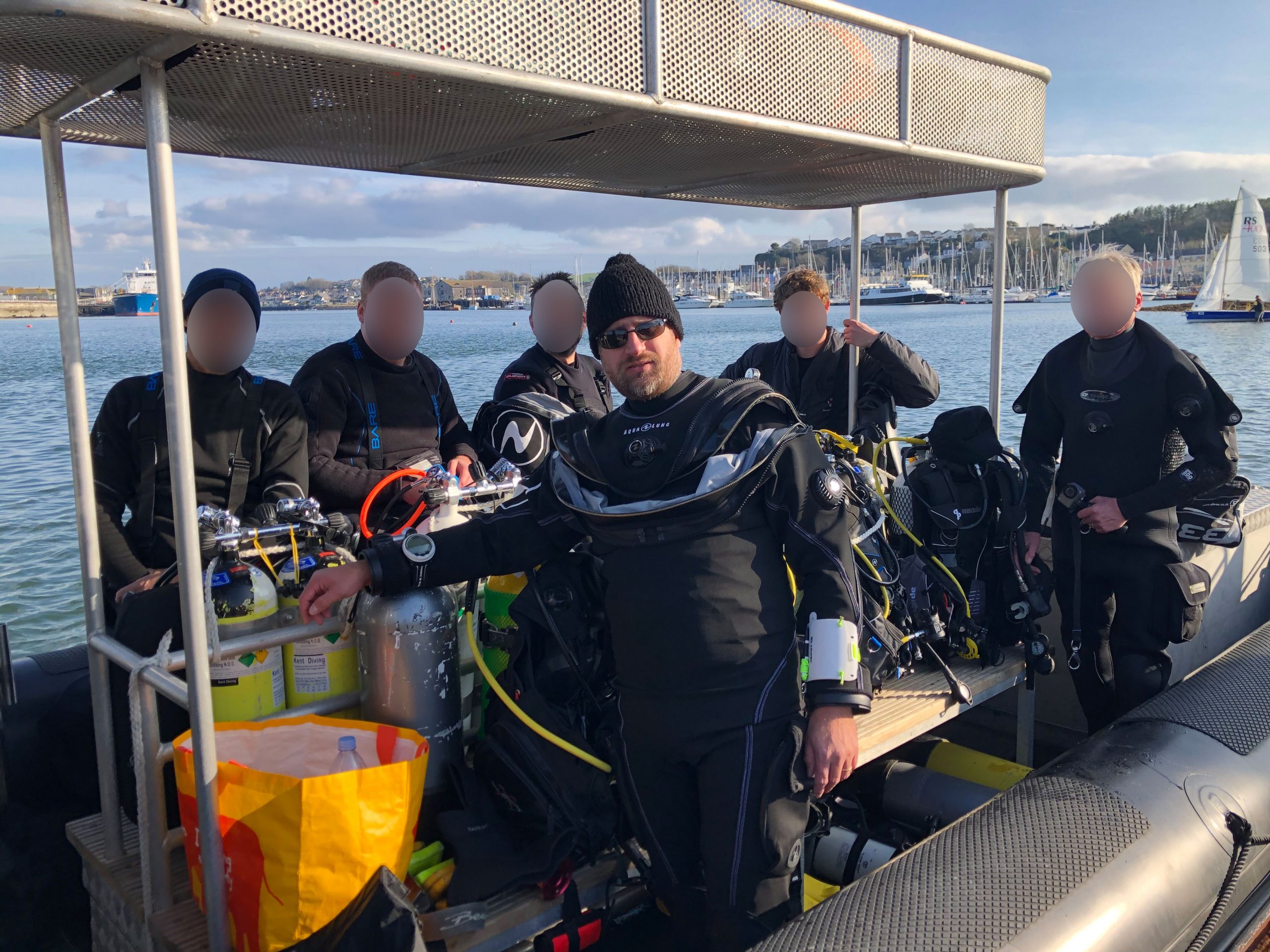
For many divers, the idea of plunging into icy seas or waters during the winter sounds extreme. But cold-water diving opens up a whole new world of marine life, dramatic landscapes, and unforgettable experiences. From kelp forests to shipwrecks, some of the most spectacular dives on earth are found in colder climates. With the right preparation, diving in chilly waters can be both safe and deeply rewarding.
Why Dive in Cold Water?
- Unique Marine Life: Cold seas are teeming with biodiversity – think wolf eels, anemones the size of your head, playful seals, and vibrant kelp forests.
- Pristine Conditions: Colder waters often mean fewer crowds and healthier ecosystems.
- Wreck Exploration: Many famous wrecks, from Scapa Flow in Scotland to Lake Huron in Canada, are found in cold water.
Essential Gear for Cold Water Diving
Diving in cold water isn’t just about comfort – it’s about safety. Proper gear keeps you warm, prevents hypothermia, and helps you enjoy the dive.
- Exposure Protection: A thick 7mm wetsuit with hood and gloves might be enough for mild cold water, but most divers invest in a drysuit. Drysuits keep you dry, allow layering underneath, and extend dive times.
- Hoods and Gloves: Up to 30% of body heat is lost through the head – so a well-fitted hood is non-negotiable. Dry gloves or thick neoprene gloves protect hands from numbness.
- Regulators: Cold water can cause regulators to freeze. Look for environmentally sealed, cold-water rated regulators. Many divers also carry redundant air sources.
- Buoyancy Adjustments: Drysuits and thicker wetsuits add buoyancy, so divers often need more weight and fine-tuned buoyancy control.
Preparing for the Dive
- Check Conditions: Cold water can mean strong currents, limited visibility, and rapidly changing weather. Always check tides, temperatures, and forecasts.
- Layer Smart: Wear insulating base layers under a drysuit – wool or moisture-wicking synthetics work best. Avoid cotton, which traps moisture.
- Acclimatize: Enter the water gradually if possible. A cold-water shock response can cause rapid breathing and increased heart rate. Practice slow, steady breaths.
Safety Considerations
- Hypothermia Awareness: Know the signs – shivering, impaired coordination, and confusion are warnings to end the dive immediately.
- Dive Planning: Cold water reduces bottom time, especially when combined with increased air consumption. Plan conservatively.
- Buddy Checks: Equipment failure in cold conditions is riskier. Double-check seals, zippers, regulators, and inflators.
- Surface Intervals: Keep warm between dives with dry clothes, warm drinks, and shelter.
The Adventure Factor
Cold water diving may demand more effort, but the rewards are spectacular. Imagine descending into a kelp forest where beams of sunlight cut through swaying golden fronds, or exploring a shipwreck shrouded in mystery. Encounters with marine mammals like seals and sea lions are common – and these playful animals often turn a chilly dive into a magical one.
Tips from Experienced Cold-Water Divers
- Carry a spare mask – fogging and leaks are harder to manage with cold-numbed fingers.
- Keep your regulator in your mouth when surfacing to prevent a sudden gasp reflex.
- Rinse and dry your gear thoroughly after each dive; salt and cold accelerate wear.
- Most importantly: dive within your limits, but don’t let the cold stop you from exploring.
Final Thoughts
Cold water diving isn’t for the unprepared – but with the right training, equipment, and mindset, it’s one of the most rewarding branches of scuba. Whether you’re exploring kelp forests in the Pacific, glacial lakes in the Alps, or historic wrecks in the UK, cold-water diving offers a unique sense of adventure. So gear up, stay warm, and discover the hidden beauty beneath the chill.
And if you’re interested in knowing how I cope with the cold, check out my YouTube videos